

Stay in the Loop

The most recent updates, events and milestones of the project at a glance.

  • Konsortiumstreffen in der Textilfabrik Cromford in Ratingen

    Consortium Meeting at Textile Factory Cromfort in Ratingen

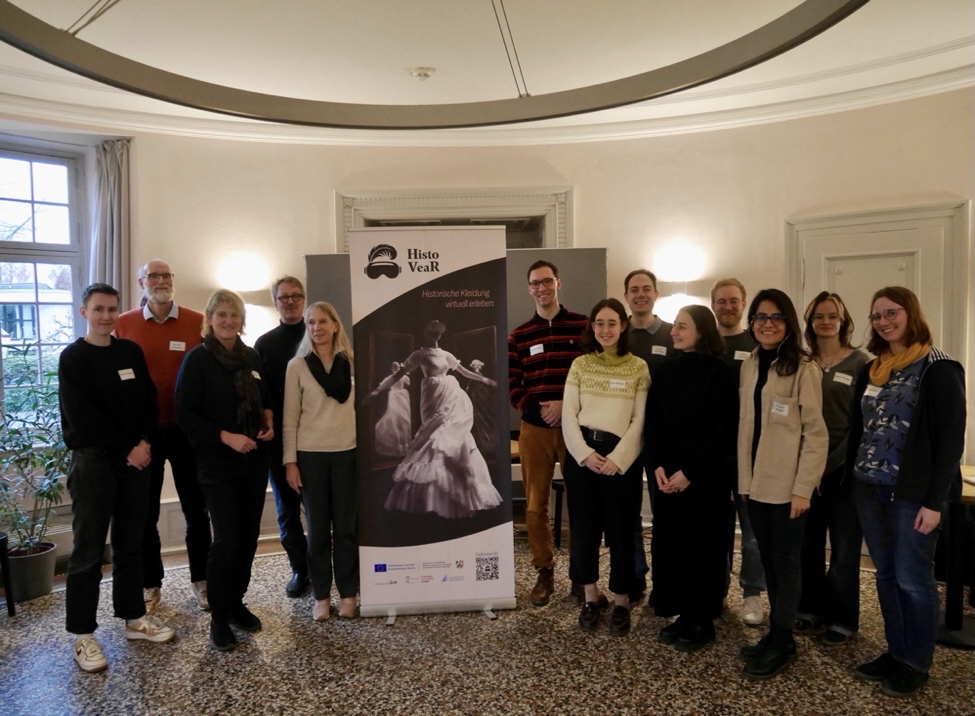
    On November 18, 2025, the partners of the HistoVeaR research project met at the LVR Industrial Museum, Textile Factory Cromford in Ratingen. The aim of the event was to get to know the associated museum, exchange requirements, and carry out initial test scans. The meeting was organized by Paderborn University in collaboration with the museum.

    The meeting began with a welcome address by Prof. Dr. Kerstin Kraft, followed by a thematic introduction by Claudia Gottfried, Director of the LVR Industrial Museum, Textile Factory Cromford. She presented the upcoming special exhibition titled “Textile Treasures,” which is expected to open in September 2026. The VR application developed during the course of the project is intended to enable museum visitors to experience selected objects from this exhibition virtually.


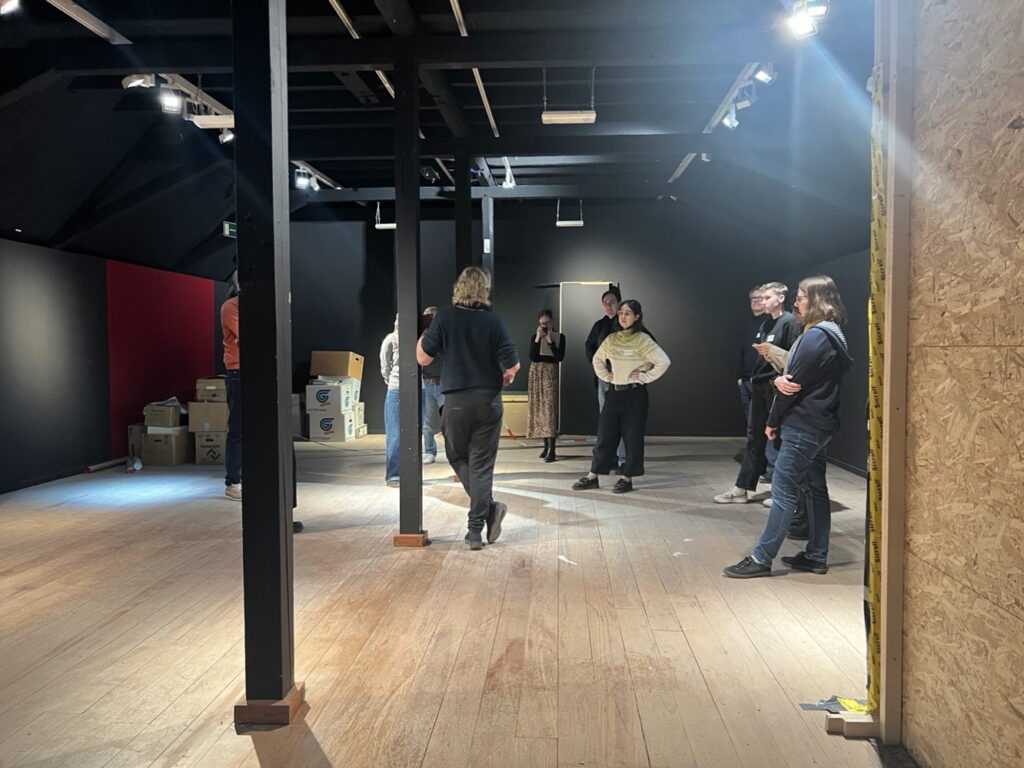
    A guided tour through the “Hohe Fabrik,” currently closed due to renovation work, provided insights into the exhibition spaces and the cotton spinning mill originally located there. At the same time, the planned exhibition concept was presented on site, and the space intended for the VR application was inspected.
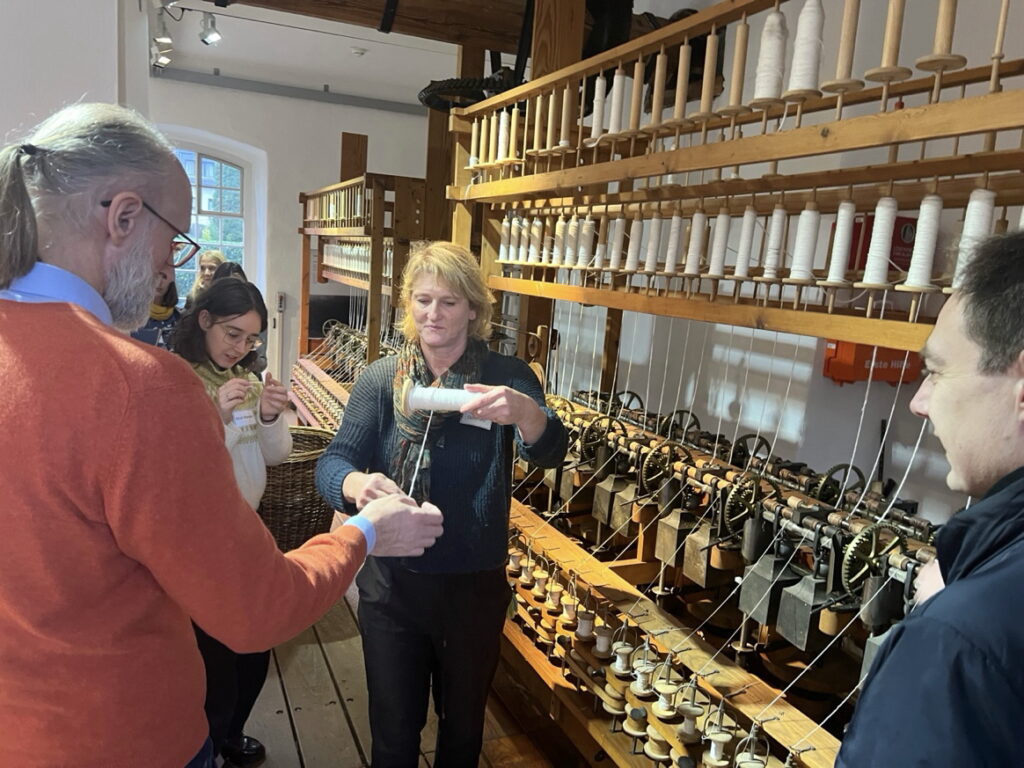
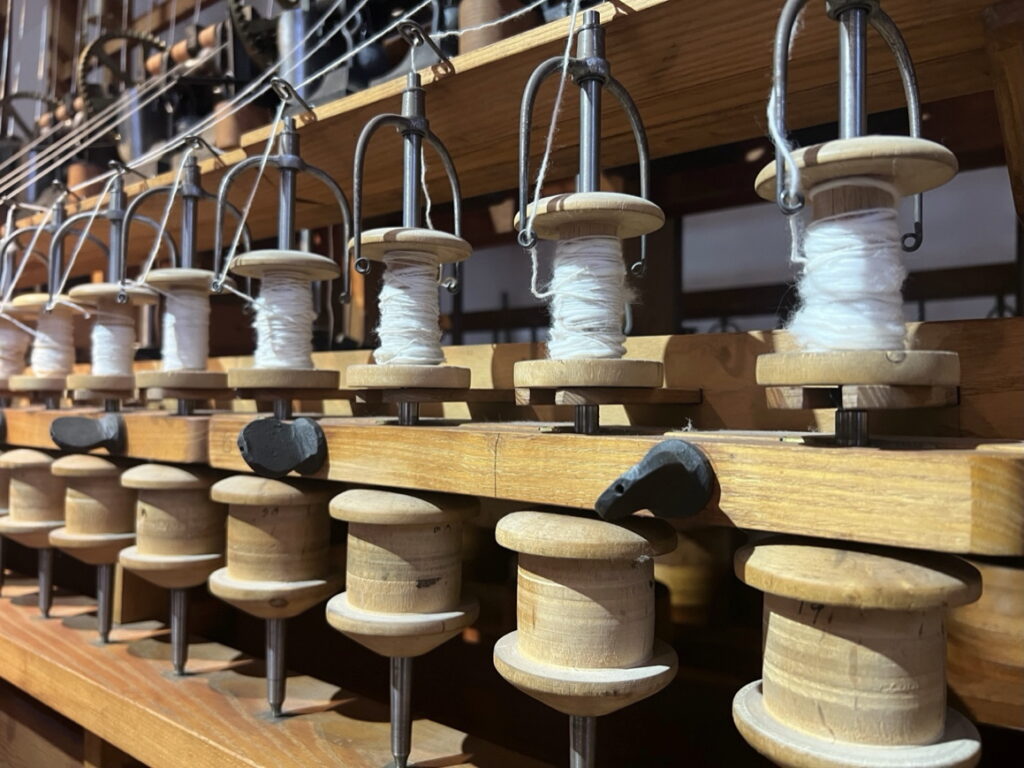
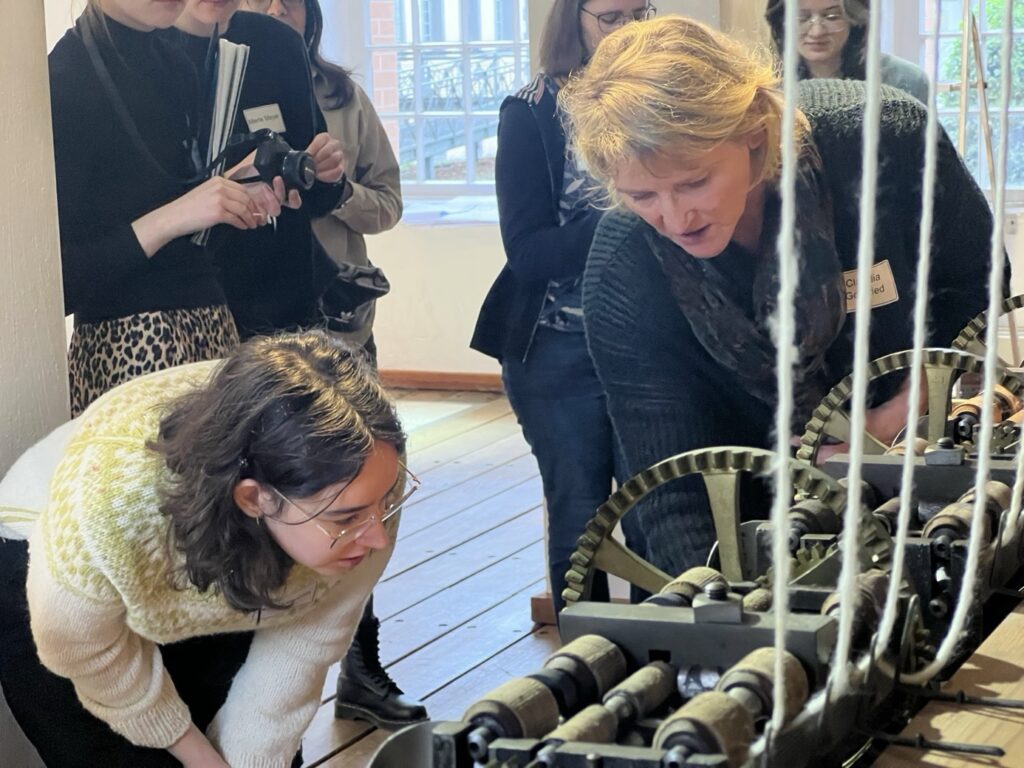
    The subsequent tour of Cromford Manor House, with its historic representative and private rooms, highlighted the history of the Brügelmann entrepreneurial family as well as the museum’s broader economic and social-historical context.


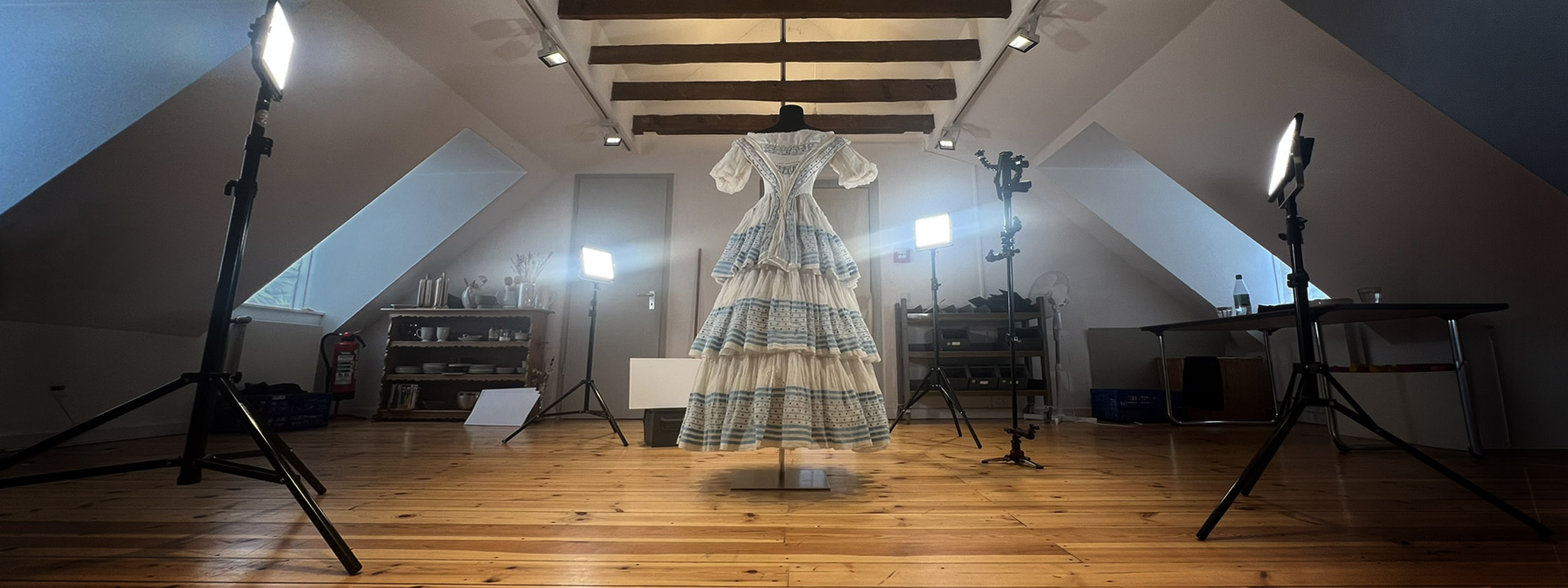
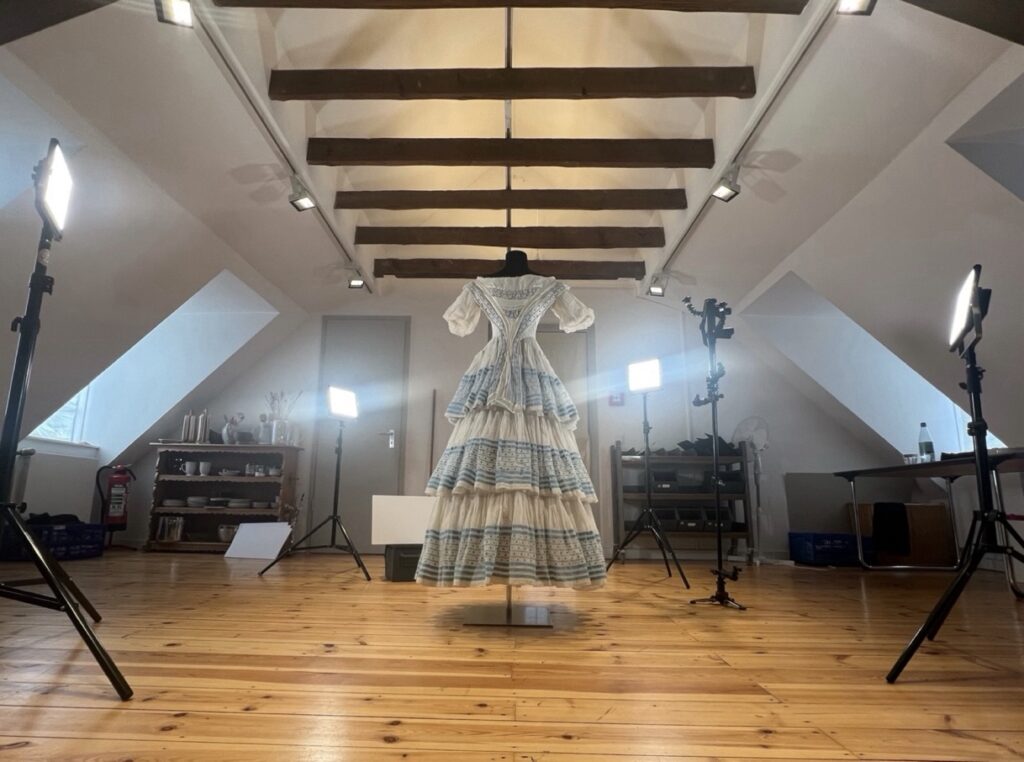
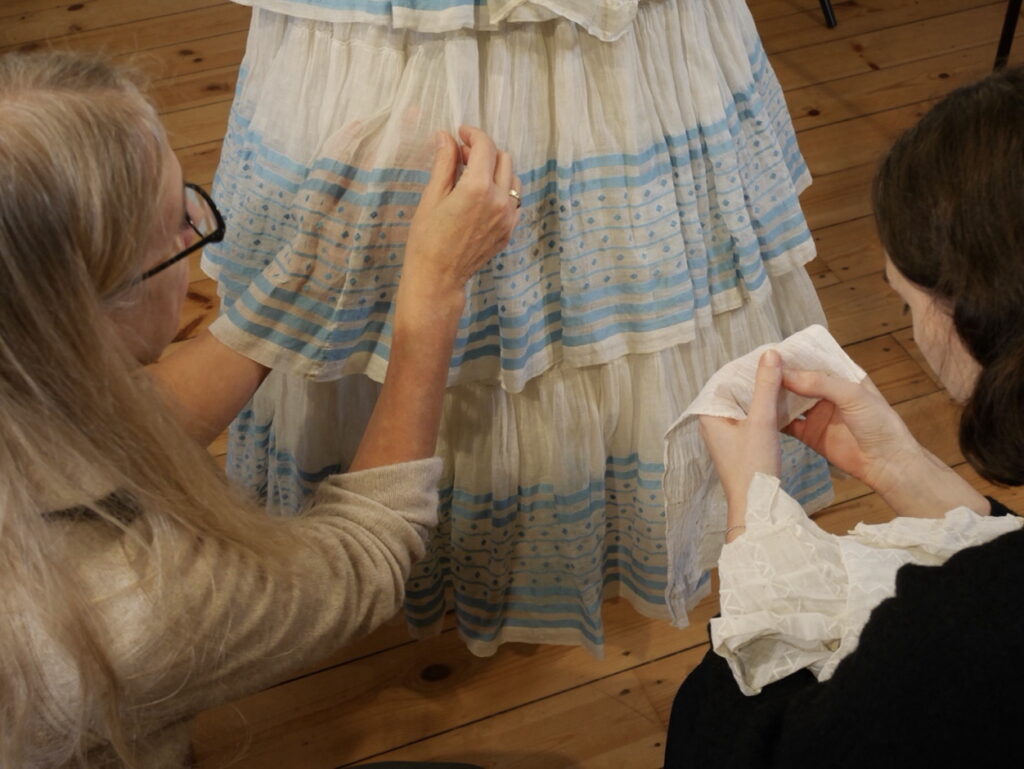
    Initial test recordings of historical garments were carried out in parallel in the attic of the manor house. In collaboration with textile conservator Claudia Grohmann, Katja Tümmers Ludwig from World of VR used several test recordings to assess the spatial and lighting conditions as well as the ideal setup for scanning the garments. These recordings will enable further experiments in the next project phase. Prof. Dr. Kerstin Kraft and Valentina Rödelberger from Paderborn University compared the textile materiality of the dress with historical fabric samples. Based on these samples, the material properties can be analyzed and used for simulation in the further course of the project without damaging the preserved garment.
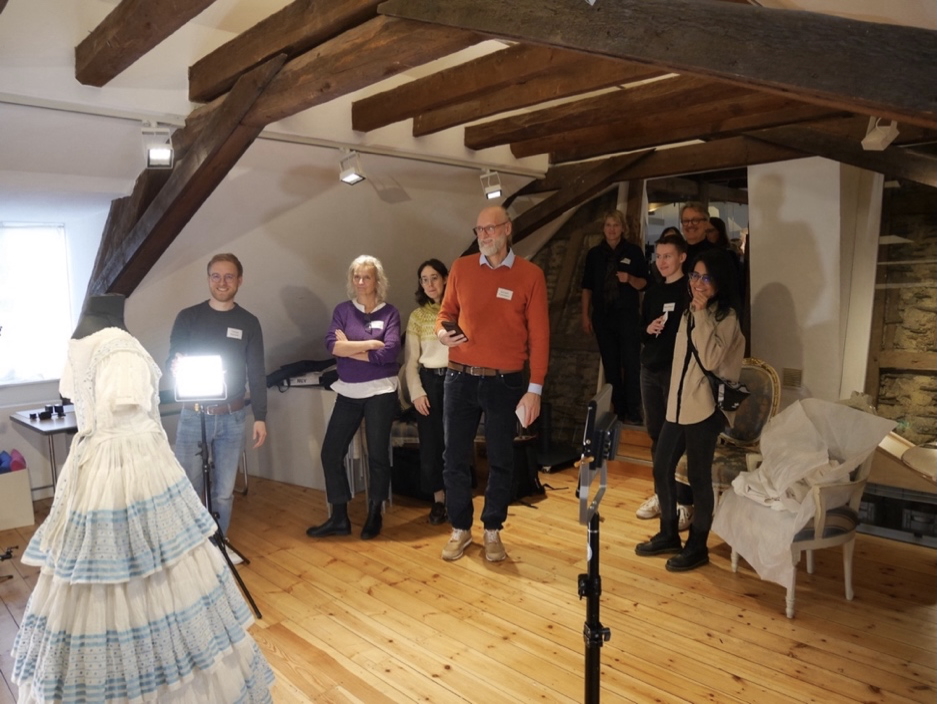
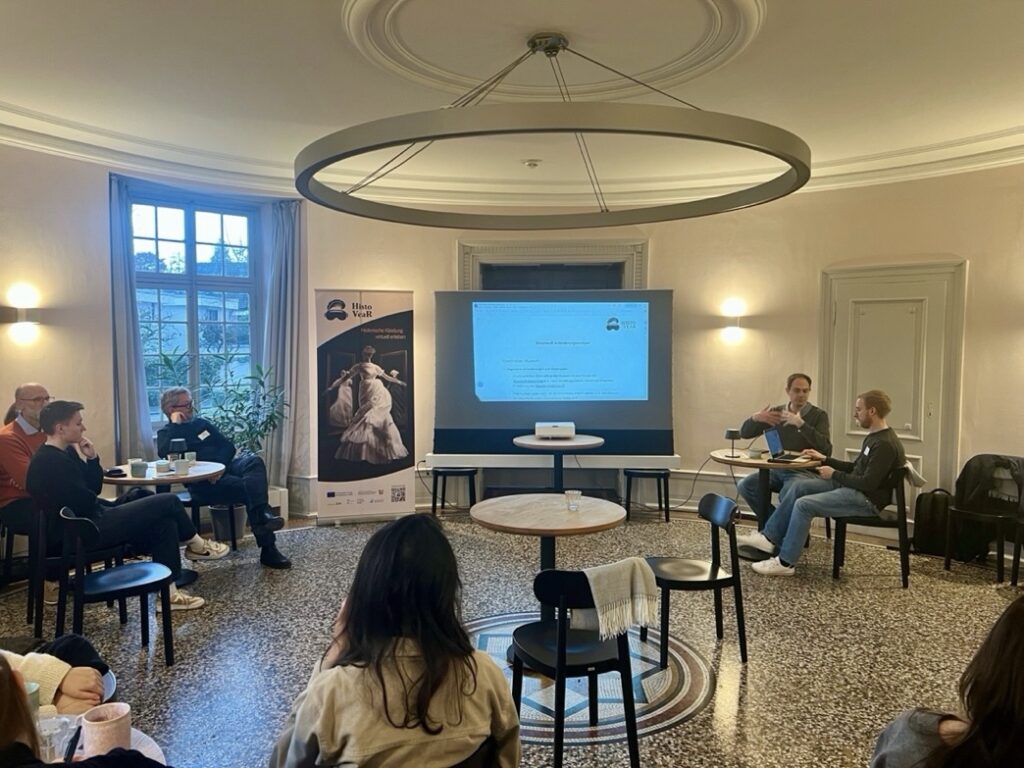
    The subsequent discussion of the project’s progress and requirements analysis was led by Timon Vielhaber and Tobias Kemper (World of VR). The productive exchange with the museum representatives provided important insights and points of reference for the further development of the project.

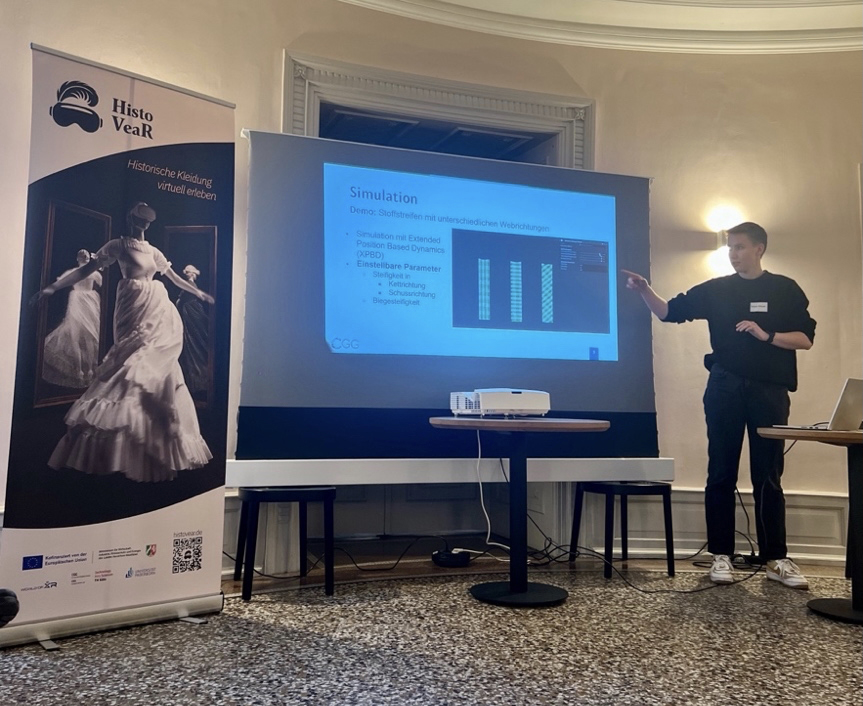
    Finally, Merle Meyer presented the progress of the Computer Graphics Group (CGG) in the digital simulation of physical fabric properties and in collision detection between clothing and avatar.

    We would like to thank the team in Ratingen for the valuable insights, the promising exchange, and their hospitality.

  • Kick-Off Meeting @ World of VR

    Kick-Off Meeting @ World of VR

    It’s happening! Our kick-off for the project “HistoVeaR”

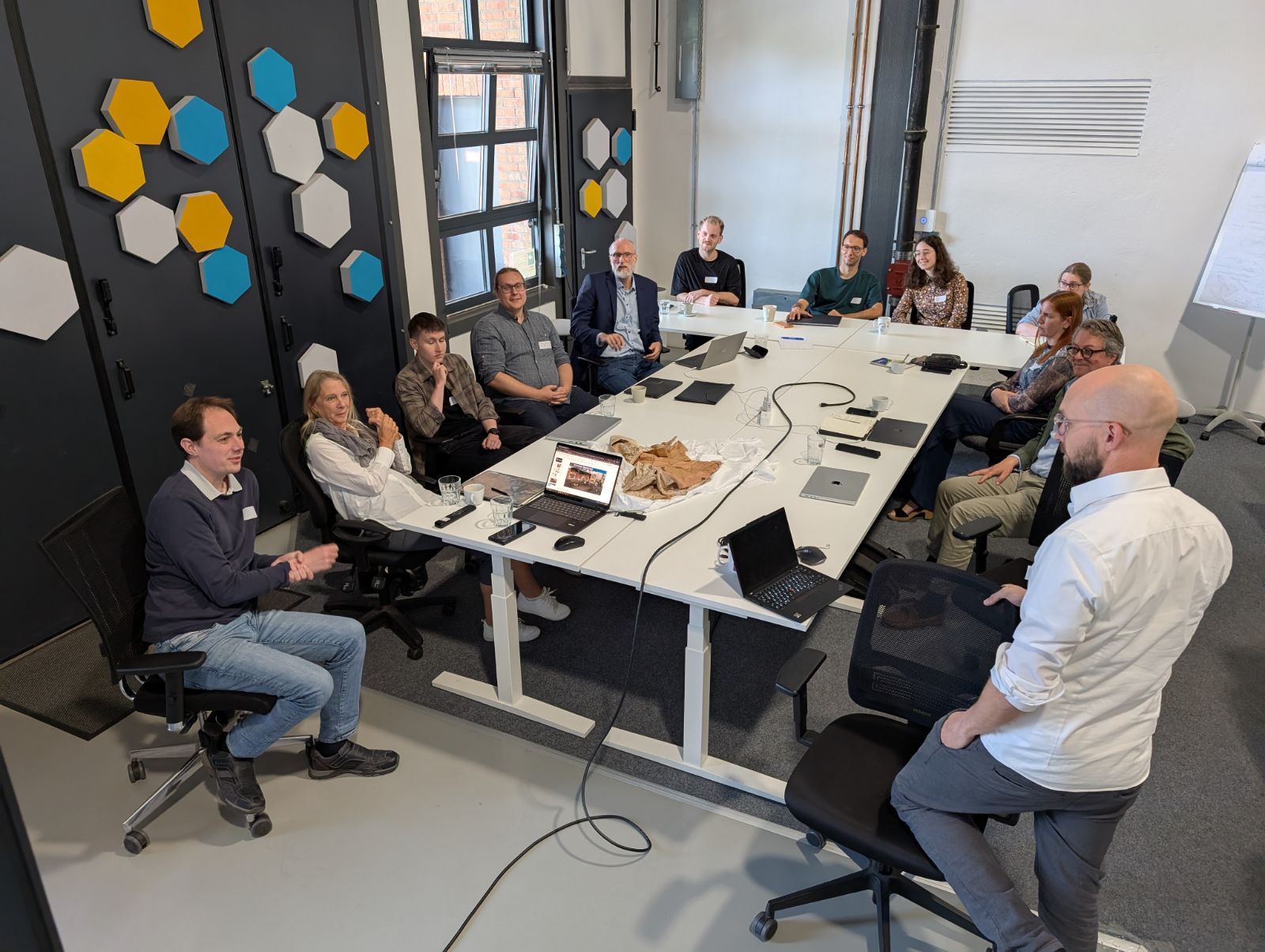
    On June 11, 2025, the time had finally come: the official kick-off event for our exciting research project took place! We met for a big in-person get-together at the start-up office space of our partner World of VR in Cologne.

    The main goal? Clear as day: bringing all project partners together at one table. Just as important, however, was building a shared understanding for this transdisciplinary project and learning from one another’s previous experiences – especially by directly exploring similar XR (Extended Reality) projects.

    Welcome & Setting the Stage

    After a warm welcome from Timon Vielhaber, CEO of World of VR, things immediately got official. A representative from the project management agency Jülich (PTJ) provided a valuable overview of the project, clarified the framework conditions, and prepared everyone for the tasks ahead.

    From there, we dove straight into the preliminary work and expertise of each project partner:

    Cologne Game Lab (TH Köln): This team are experts in digitizing reality. With extensive experience in 3D and scan-to-3D projects, especially in gaming, they know exactly how to bring real objects into virtual (gaming) worlds. In this project, they are responsible for the output formats for the appropriate game engines and for “fitting” the digital clothing into the application scenarios.

    The Computer Graphics Group (TH Köln): These colleagues contributed impressive experience from various clothing simulation projects. Their expertise lies particularly in realistic representation and parameterization (i.e., “tuning” digital fabric). Real-time animation and the automated generation of different levels of detail for digital garments are their central tasks.

    Die Kulturwissenschaft der Mode und des Textilen (Universität Paderborn): Von hier kommt die unverzichtbare historische Expertise in Bezug auf Materialien, Schnitte und Kleidungsverhalten. Anhand eines originalen Kleidungsstücks aus dem 18. Jahrhundert konnte ein erster Eindruck gewonnen werden und Beispiele anderer Forschungsgruppen zeigten die Komplexität von Stoffsimulationen.

    World of VR GmbH: As our hosts, they presented their central work packages. With experience from hundreds of XR projects and industrial scanning processes, they are the perfect candidate to take on the core tasks. They will lead the scanning of the original garments and the development of the “integrated pipeline” – the system that ultimately brings all components together.

    Lunch Break with a Twist: Hands-On XR

    During lunch, things got truly hands-on! Instead of simply talking theory, all participants had the chance to try out a range of demos and applications developed by World of VR. This wasn’t just fun, it was incredibly helpful in building an intuitive understanding of what the technology can do:

    AR app for hairdressers: Participants could scan their own heads in real time. The app then simulated different hairstyles in 3D and AR – an impressive prototype.

    VR showroom for workwear: We stepped into a virtual showroom where static items of clothing could already be simulated and tried on in real time.

    VR workplace safety training: Finally, we experienced a dynamic training session in an interactive VR environment, demonstrating the powerful potential of VR simulations for training purposes.

    Next Steps

    After this inspiring and interactive lunch break, we wrapped up the day by summarizing key points and clarifying the administrative tasks necessary for the project’s launch.

    We look back on an extremely productive and motivating kick-off. The team is ready, the expertise is incredibly diverse, and we’re truly excited about the collaboration in the coming years!