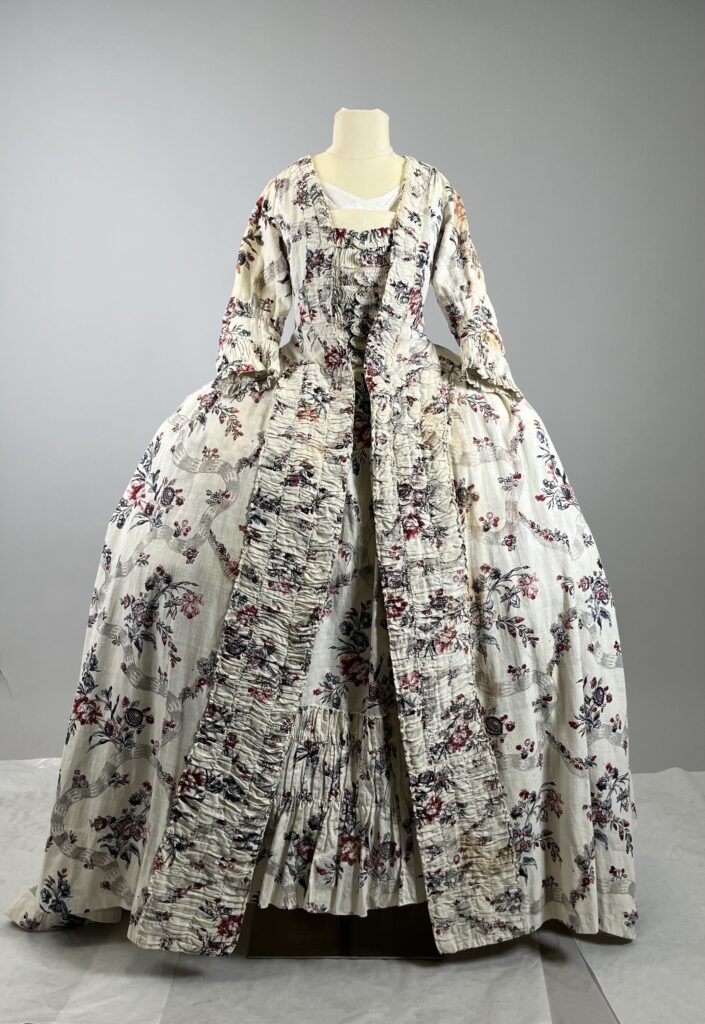



On 3 June 2026, the partners of the HistoVeaR research project gathered for their first annual meeting at the LVR Industrial Museum Cromford Textile Factory in Ratingen, Germany. In addition to the project partners, two representatives of Projektträger Jülich (PTJ) and members of the museum staff participated in the event.
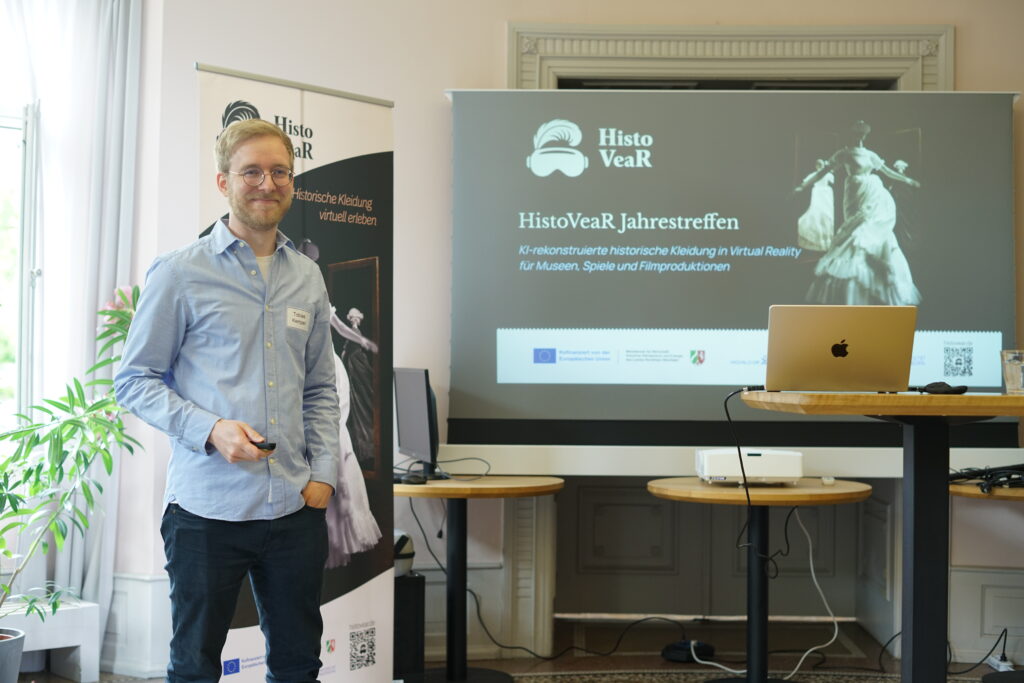

The meeting began with a series of presentations in which each research team reported on the progress and results achieved during the project’s first year. Together, the presentations provided a comprehensive overview of the current state of development and highlighted the milestones reached since the project’s launch. The subsequent discussions addressed open questions, contextualised interim findings, and coordinated the next stages of the collaborative research.
Demonstration Session
Following a lunch organised by the museum team, the meeting continued with a practical demonstration session. The project partners presented their latest research results through interactive prototypes, which all participants had the opportunity to test extensively.
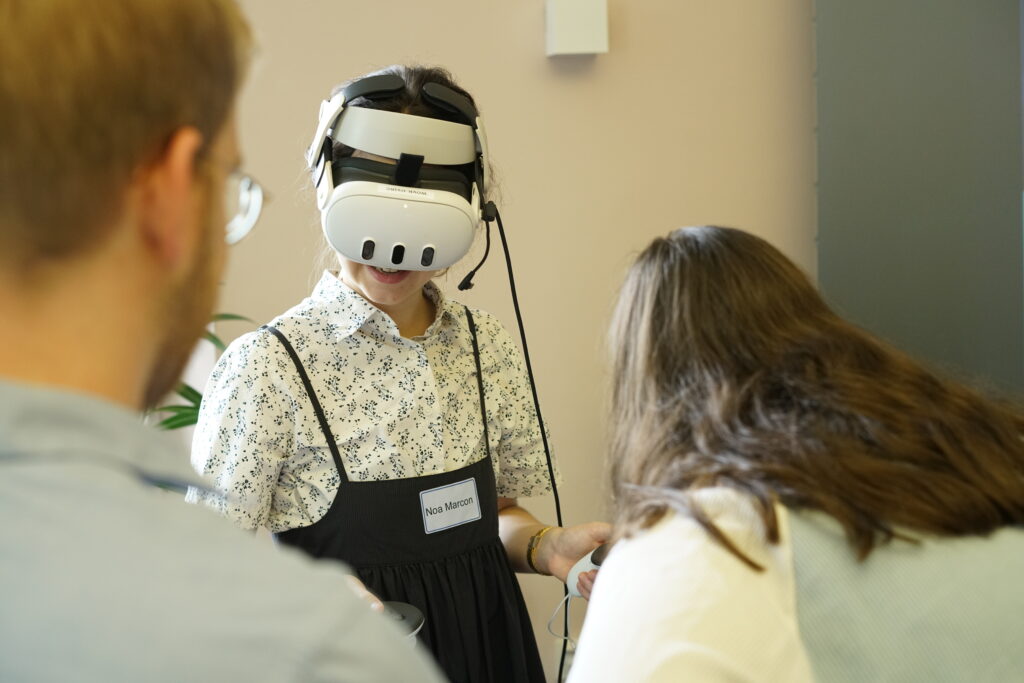
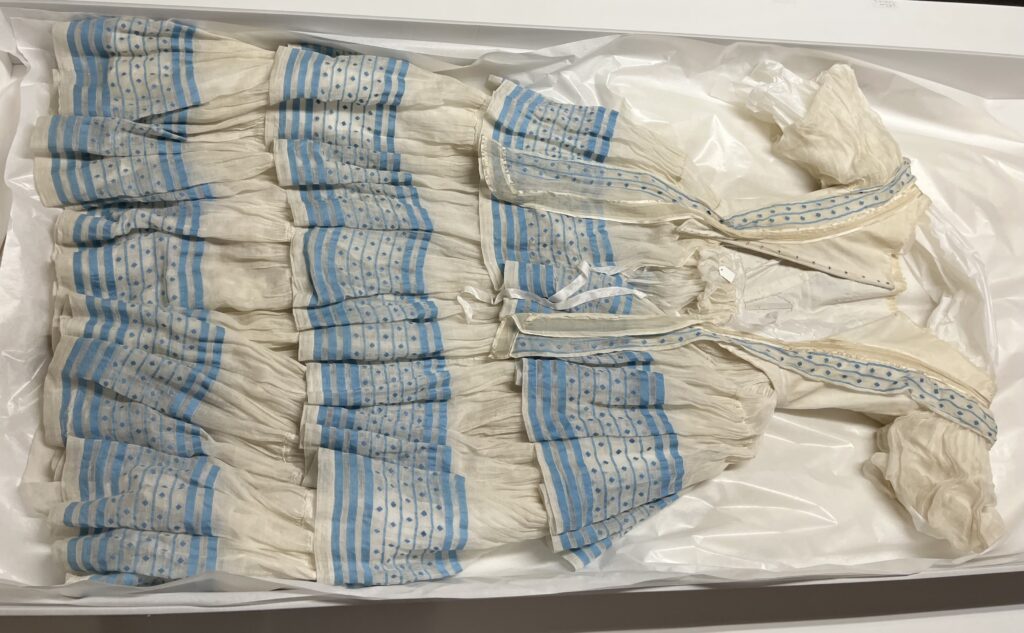
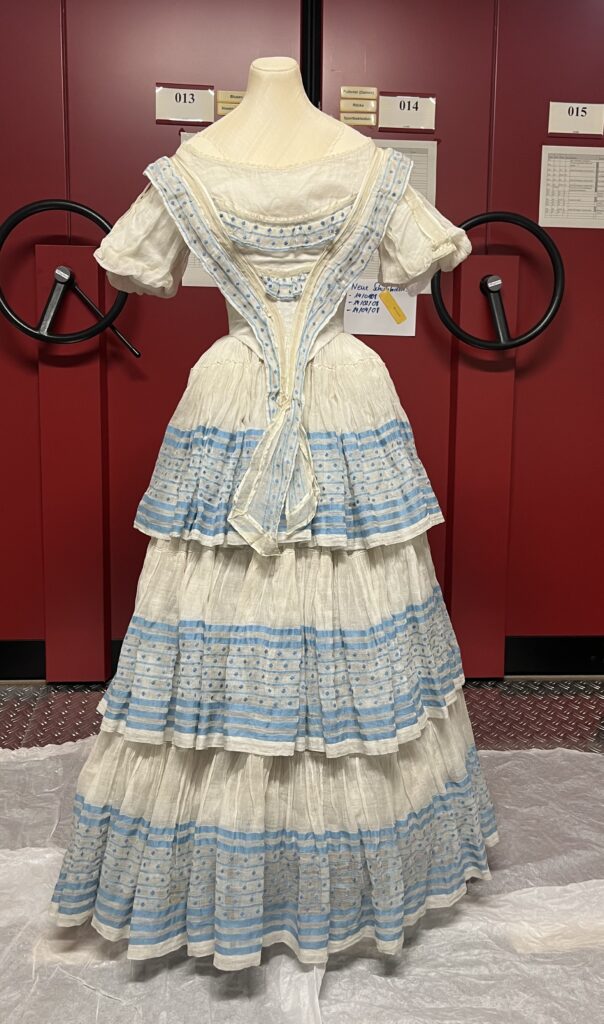
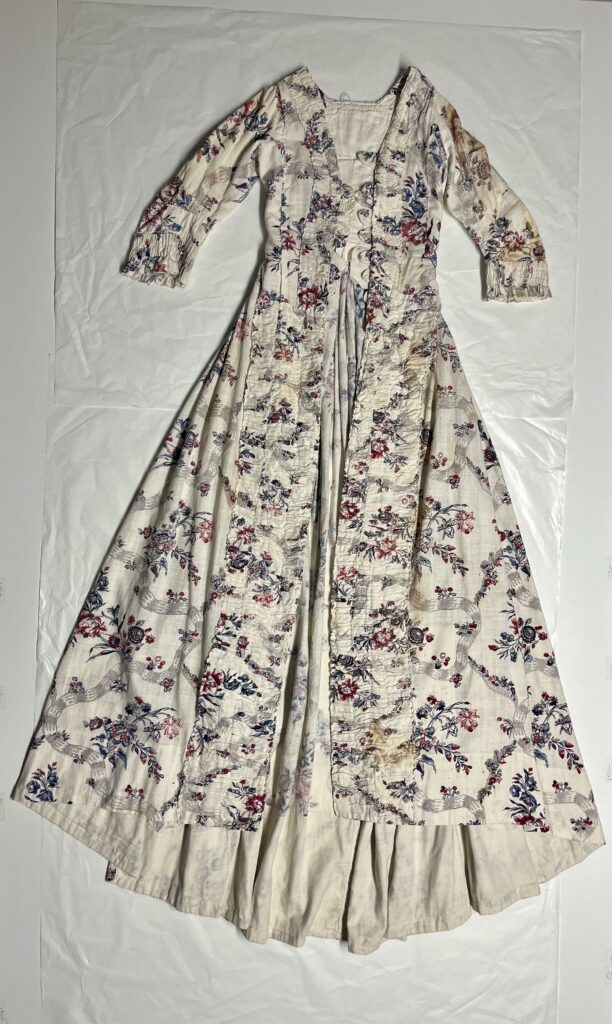
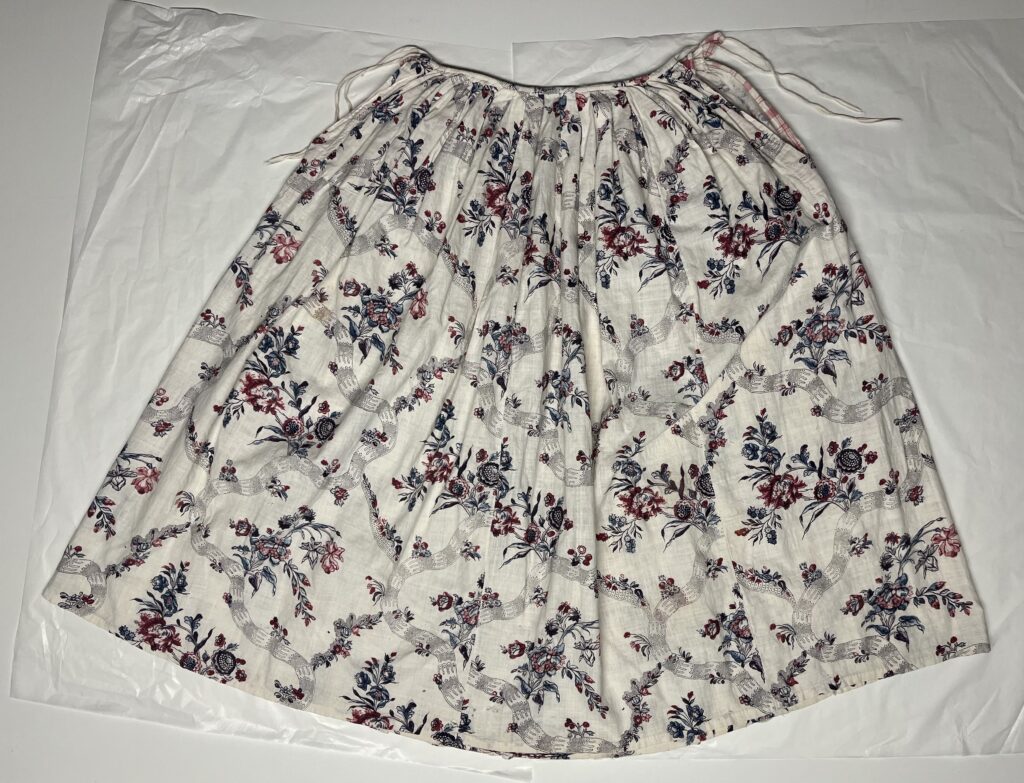
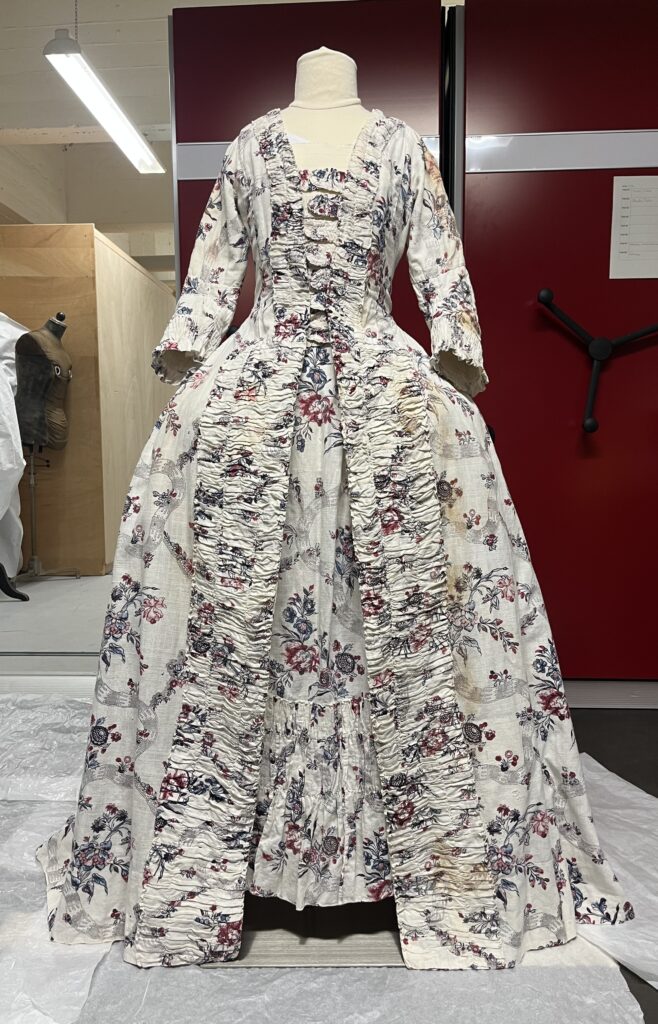
The team from World of VR demonstrated a virtual reality application for the presentation of historical garments. The clothing pieces had been digitally captured using a custom-built scanning setup and reconstructed in three dimensions with photorealistic quality using Gaussian Splatting. The application enabled visitors to inspect the historical textiles in remarkable detail within a virtual environment. Particularly impressive was the realistic rendering of delicate material properties, including the transparency of fine fabrics.

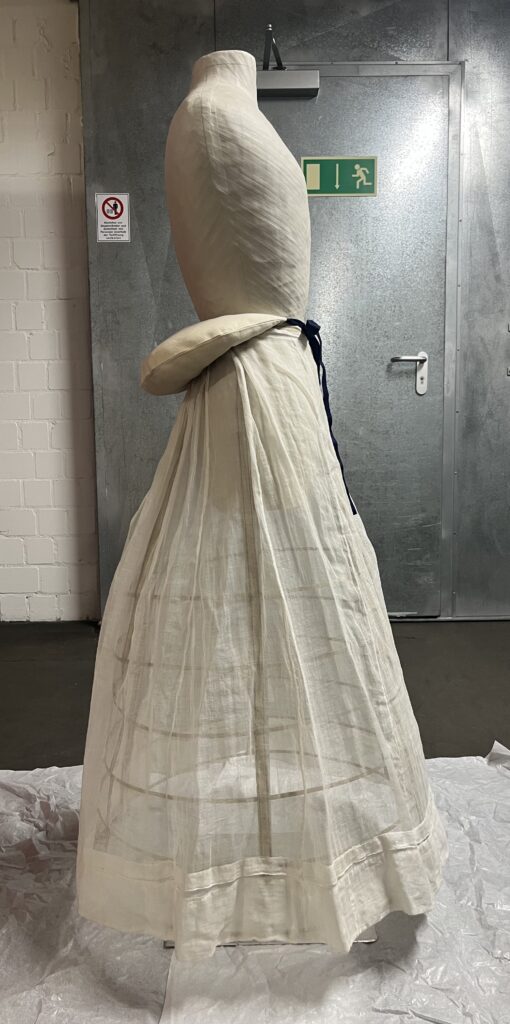
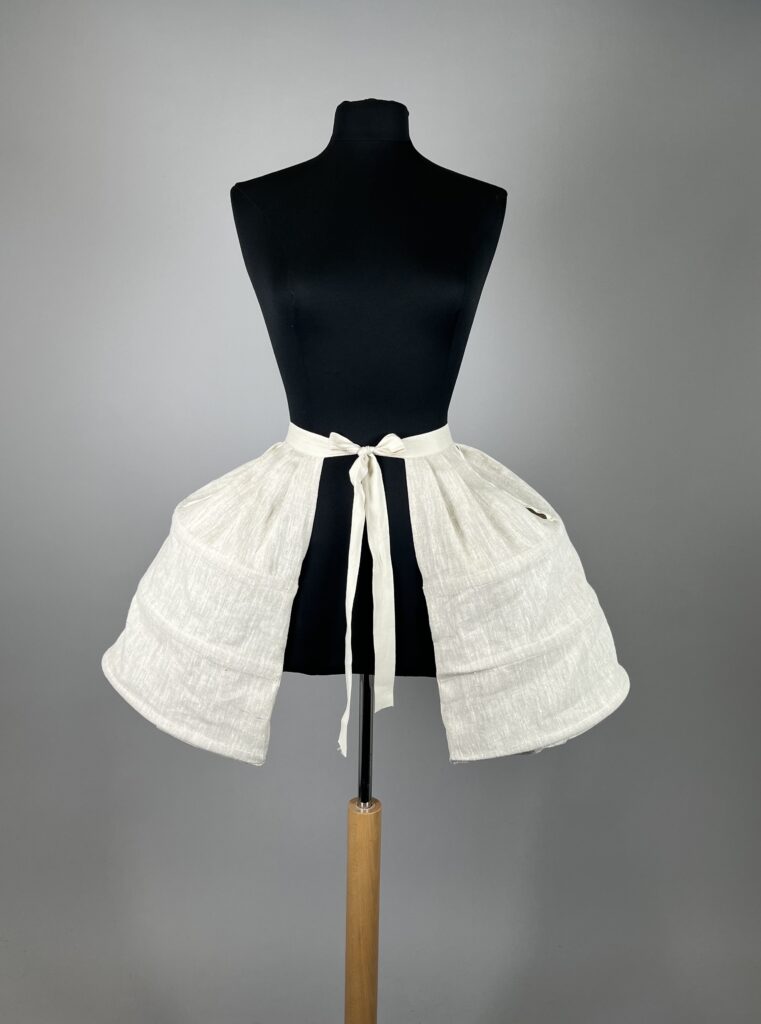
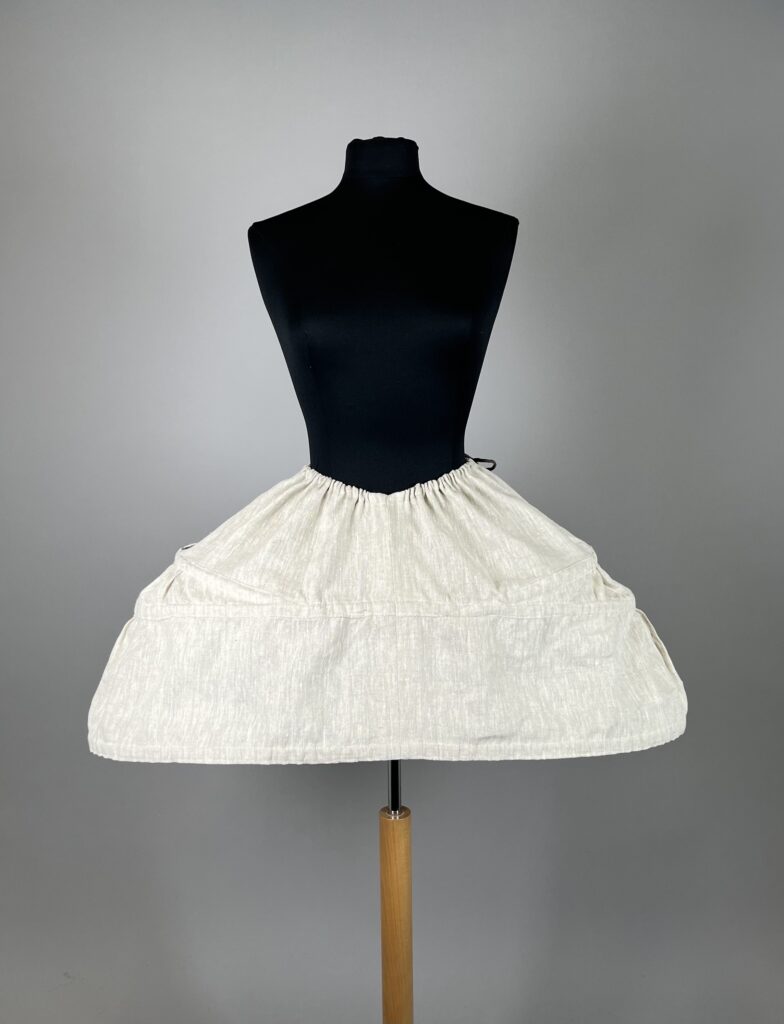
The research group led by Prof. Dr. Arnulph Fuhrmann (TH Köln) presented a second VR demonstration focusing on the physical simulation of historical clothing. At its core was a single-layer garment specially produced for the project by the University of Paderborn and simulated on a digital avatar. Using VR controllers, participants could move the avatar, change its posture, and observe the behaviour of the garment in real time. A particular highlight was the ability to reach out with their own hands, grasp the virtual garment, and interact directly with the simulated fabric. This feature attracted considerable interest from all participants and represents an important milestone towards the project’s long-term objective of enabling users to experience historical clothing immersively and as realistically as possible on their own bodies.

The research group led by Prof. Björn Bartholdy (TH Köln) also presented a current demonstrator. Using a depth camera, the system captured participants’ body movements and transferred them to a digital avatar in real time. The demonstration illustrated how markerless motion capture can be used for the intuitive control of virtual characters and provides an important technological foundation for future immersive application scenarios within the project.
Outlook
The meeting concluded with a joint discussion in which all project partners reflected on the day’s results and planned the next development steps. The first annual meeting not only provided a comprehensive overview of the current state of the research but also once again proved to be a valuable platform for interdisciplinary exchange between research, development, and practical application.
The demonstrators presented during the meeting clearly illustrated that HistoVeaR is making significant progress towards combining innovative technologies from virtual reality, digitalisation, and interactive simulation to create entirely new ways of experiencing historical clothing.